“And I took the road less travelled. And that made all the difference.”
Time management is something I find myself working through every once in a while. This will often involve writing down weekly items to check off, crossing 2 of the twenty of my to-do list, crossing a 3/4 or throwing it all together.
My read on effective engineering dubbed, The Effective Engineer by Edmond Lau, has been as inspirational as it has been eye-opening. From this, a few thought processes came up that would be worth noting, specifically regarding impact, sustainability and effectiveness.
To quote:
I worked the long hours because I wanted to make a meaningful impact, but I couldn’t help but wonder: Was putting in 70-80 hour weeks really the most effective way of ensuring our startup’s success? Our intentions were sound, but could we have worked smarter? - Edmond Lau
With this piece, and in a builder’s pursuit of mastery, I will interweave a few ideas, thoughts and research points to challenge convention and support the contrarian or vice versa. It is a leap out of the day-to-day routine of the builder and into the vastness unknown.
The Always Be Shipping mantra
The most captivating moment from the book, at least for me, was the mention and talk of experimentation. The goal being to build not for the sake of it. I call it flow and experimentation.
I can’t tell you why you need a home computer right now. I mean, people ask me, “Why should I buy a computer in my home?” And I say, “Well, to learn about it, to run some fun simulations. If you’ve got some kids, they should probably know about it in terms of literacy. They can probably get some good educational software, especially if they’re younger. “You can hook up to the source and, you know, do whatever you’re going to do. Meet women, I don’t know. But other than that, there’s no good reason to buy one for your house right now. But there will be. There will be.” - Steve Jobs (Speech at the International Design Conference in Aspen, June 1983)
In the early 2000s, Google pioneered what was called “The 20% time” - a chip of time within which engineers in its domain would be free to leverage Google’s technology to build their own products unhindered. Suffice it to say, this led to the development of products such as Google News, Google Maps and Gmail.
Consequently, this fostered a culture of innovation and creativity which contributed to its relish within the engineering community as the ‘go-to’ company to work with. LinkedIn, Atlassian and Adobe followed suit with hopes of catching up.
 :br
:br
I don't know what the future will bring, but if you stop investing in basic research today, you won't have a future. - Neil deGrasse Tyson
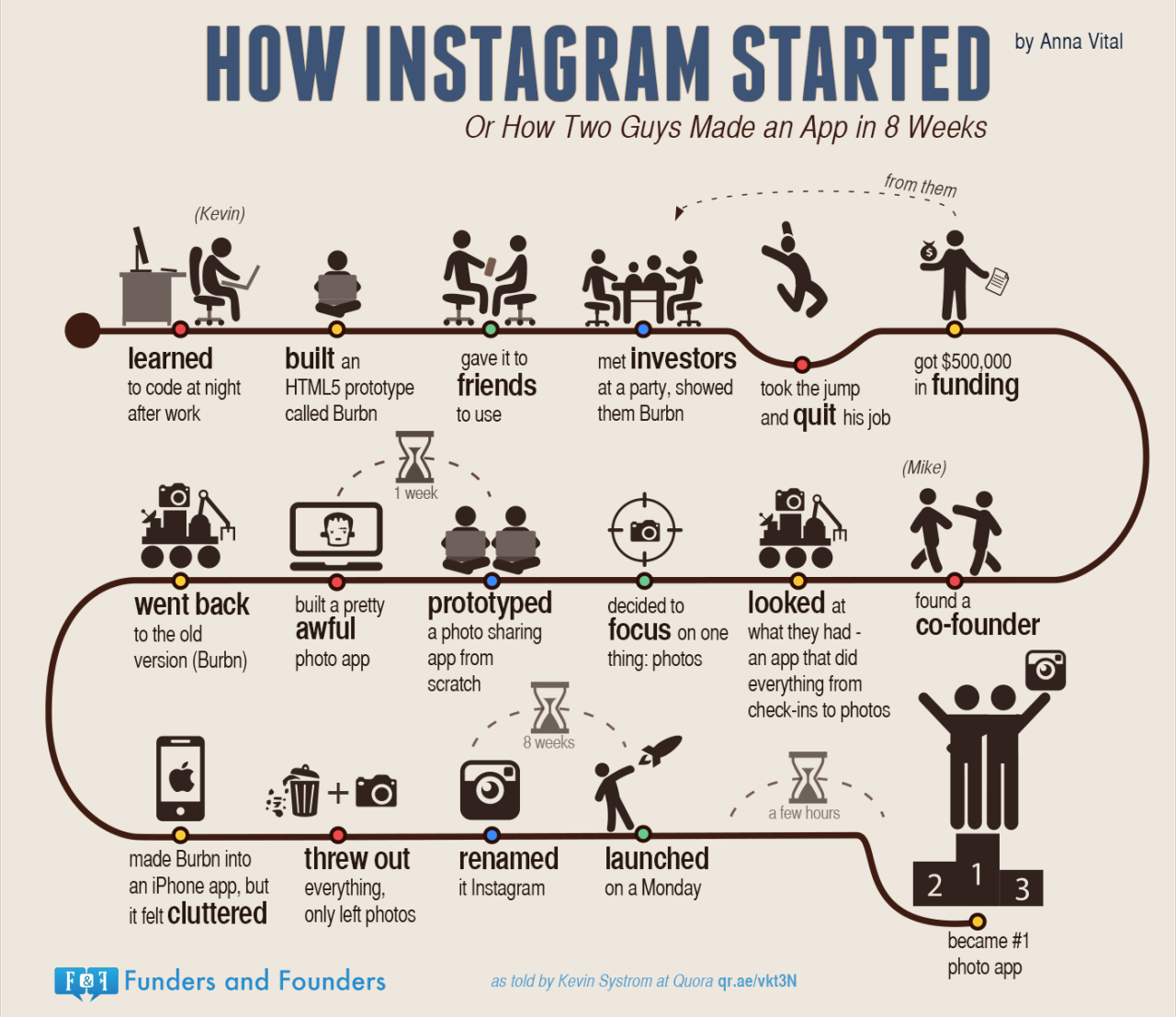
From my experience, it is always the builders that do more than is within their scope that end up being the great men and women in their domain; the innovators of the future. To mention a few of these; ProductHunt, Slack, Twitter, Pinterest (hello Elle), Shopify, AppSumo and GitHub. For the founders, it was the little something on the side that made all the difference.
Remarkably, by the time the aforementioned companies were either acquired, went public or reached a certain user-base marking, their ratio of engineer to user was in the scale of one to thousands or even millions. In other words, they had built successful enterprises not with an abundance of human resources but with a vision for a product that addressed their immediate need.
The reason we Woz and I built a computer was that we wanted one, and we couldn’t afford to buy one… We were just two teenagers. We started trying to build them and scrounging parts around Silicon Valley where we could…All our friends wanted them too. It was taking up all of our spare time because our friends were not that skilled at building them, so Woz and I were building them for them. - Steve Jobs, 1996, Apple 20th anniversary.
Thought: If someone does not think you are insane for how relentlessly you work to achieve your dreams, you might want to re-evaluate your choices. Being called crazy and being rejected is not such a bad thing.
Conclusion
In the end, you might never know when or where your project might be of use to the rest of the populous. The least you can do, however, is to take a chunk of time within your day to build, innovate and imagine the possibilities.
Reference notes
For some notes on how some of the products above came to be, I leave some starter resources here.